
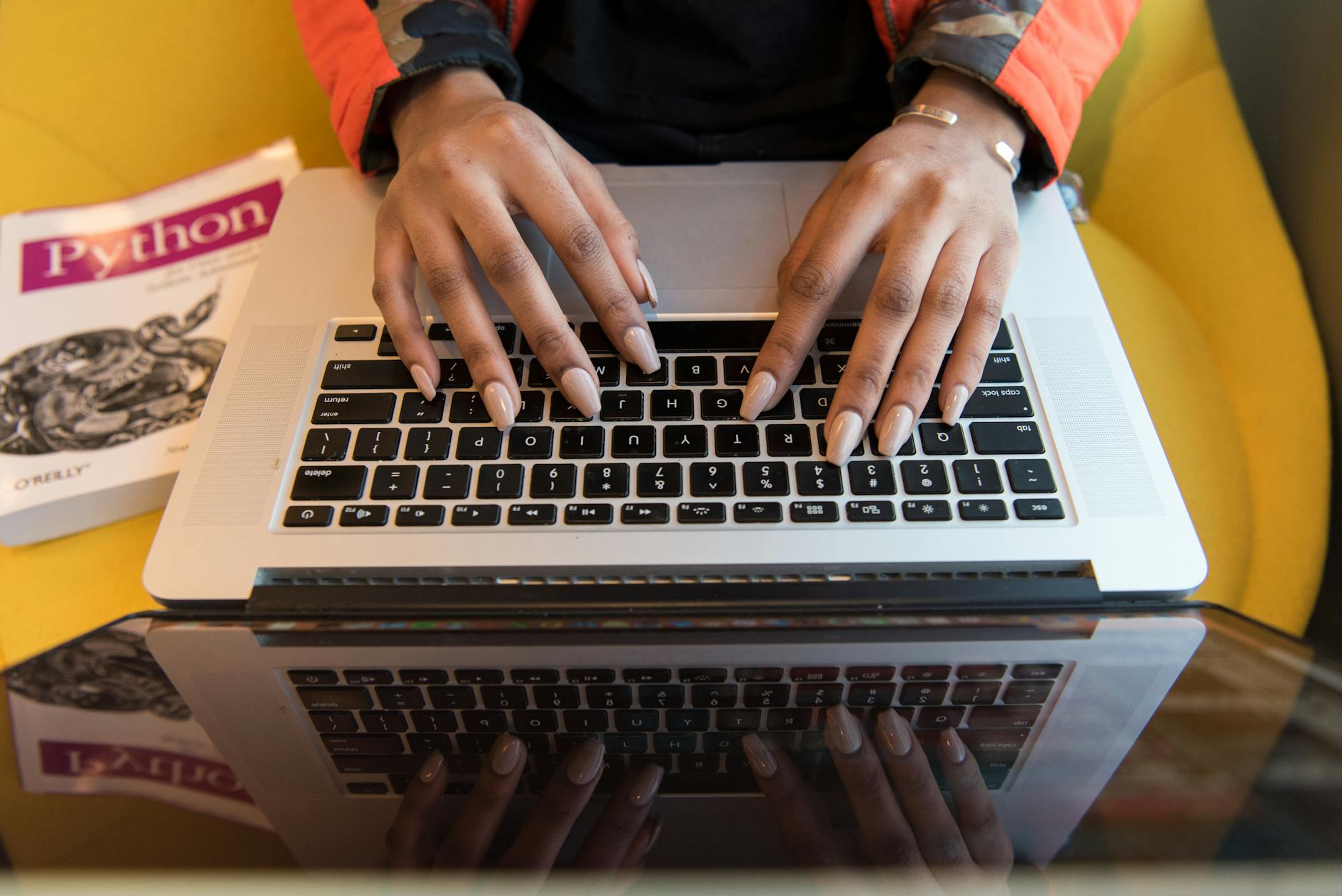
Python is one of the most versatile and widely-used programming languages, and for good reason. Its simplicity and readability make it an ideal language for beginners to learn, while its extensive range of libraries and frameworks make it a favorite among experienced developers. Whether you're looking to build a career in data science, web development, or artificial intelligence, learning Python is an excellent place to start. In this comprehensive guide, we'll take you through the basics of Python programming and provide you with the resources you need to get started.
Introduction to Python Basics
Python is a high-level, interpreted language that is easy to read and write. It was created in the late 1980s by Guido van Rossum and was first released in 1991. Since then, it has become one of the most popular programming languages in the world, with a vast and active community of developers who contribute to its growth and development. Python is often used for web development, data analysis, machine learning, and automation, among other things.
One of the best ways to learn Python is through online courses and tutorials. Khan Academy courses are an excellent resource for beginners, providing a comprehensive introduction to the language and its basics. Additionally, there are many online communities and forums where you can connect with other Python developers and get help with any questions or problems you may have.
Setting Up Your Python Environment
Before you can start coding in Python, you need to set up your environment. This includes installing Python on your computer, choosing a text editor or IDE, and installing any necessary libraries or frameworks. There are many different ways to set up your Python environment, but some popular choices include PyCharm, Visual Studio Code, and Sublime Text.
Once you have your environment set up, you can start learning the basics of Python programming. This includes variables, data types, loops, and functions, among other things. There are many online resources available to help you learn these concepts, including tutorials, videos, and practice exercises.
Choosing the Right IDE
When it comes to choosing an IDE for Python development, there are many options to consider. Some popular choices include PyCharm, Visual Studio Code, and Spyder. Each of these IDEs has its own strengths and weaknesses, and the right choice for you will depend on your specific needs and preferences.
For example, PyCharm is a popular choice among professional developers, offering a wide range of features and tools to help you code more efficiently. Visual Studio Code, on the other hand, is a lightweight and flexible IDE that is ideal for beginners and experienced developers alike.
Installing Necessary Libraries and Frameworks
In addition to setting up your IDE, you may also need to install certain libraries or frameworks to get started with Python development. For example, if you're interested in building web applications, you may want to install the Flask or Django framework. If you're interested in data science, you may want to install the Pandas or NumPy library.
There are many online resources available to help you learn about the different libraries and frameworks available for Python, including tutorials, videos, and documentation. You can also connect with other developers online to get help and advice on which libraries and frameworks to use for your specific project.
Learning Python Through Tutorials and Courses
There are many different ways to learn Python, including online courses, tutorials, and practice exercises. Some popular resources for learning Python include Codecademy, DataCamp, and Coursera. These platforms offer a range of courses and tutorials to help you learn the basics of Python programming, from beginner to advanced levels.
In addition to these resources, you can also find many free tutorials and guides online to help you learn Python. For example, the stable diffusion tutorial is a great resource for learning about machine learning and artificial intelligence with Python. You can also find many online communities and forums where you can connect with other Python developers and get help with any questions or problems you may have.
Practice Exercises and Projects
One of the best ways to learn Python is by practicing and working on real-world projects. There are many online resources available to help you find practice exercises and projects, including GitHub, Kaggle, and Reddit. You can also connect with other developers online to collaborate on projects and get feedback on your work.
In addition to practice exercises and projects, you can also learn Python by working on real-world applications. For example, you could build a WordPress tutorial website using Python, or create a Facebook ads tutorial to help you learn about marketing and advertising. The key is to find projects and exercises that are challenging and engaging, and that help you learn the skills you need to become a proficient Python developer.
Comparison of Python Bootcamps and Courses
There are many different Python bootcamps and courses available, each with its own strengths and weaknesses. Some popular options include General Assembly, App Academy, and Hack Reactor. These bootcamps offer a comprehensive introduction to Python programming, including hands-on practice and real-world projects.
The following table compares some of the most popular Python bootcamps and courses:
| Bootcamp/Course | Duration | Cost | Format |
|---|---|---|---|
| General Assembly | 12 weeks | $14,950 | In-person or online |
| App Academy | 16 weeks | Free | In-person or online |
| Hack Reactor | 12 weeks | $28,000 | In-person or online |
When choosing a Python bootcamp or course, it's essential to consider your goals, budget, and learning style. Some bootcamps may offer more comprehensive instruction, while others may provide more hands-on practice. Be sure to research each option carefully and read reviews from past students to find the best fit for you.
Practical Tips for Learning Python
Learning Python requires practice, patience, and persistence. Here are some practical tips to help you get started:
- Start with the basics: Make sure you have a solid understanding of the fundamentals of Python programming, including variables, data types, loops, and functions.
- Practice regularly: Set aside time each day or week to practice coding in Python. This will help you build your skills and stay motivated.
- Join online communities: Connect with other Python developers online to get help with any questions or problems you may have. This will also give you the opportunity to learn from others and stay up-to-date with the latest developments in the field.
- Work on real-world projects: Apply your skills to real-world projects and applications. This will help you learn by doing and give you a sense of accomplishment and pride in your work.
Additionally, consider finding a best coding bootcamp that fits your needs and budget. Many bootcamps offer comprehensive instruction and hands-on practice to help you learn Python and other programming languages.
Conclusion and Next Steps
Learning Python is a rewarding and challenging experience that can open up many career opportunities and personal projects. With the right resources and mindset, you can become a proficient Python developer and achieve your goals. Remember to start with the basics, practice regularly, and join online communities to connect with other developers and stay motivated.
Whether you're interested in web development, data science, or artificial intelligence, Python is an excellent language to learn. With its simplicity, flexibility, and extensive range of libraries and frameworks, Python is an ideal choice for beginners and experienced developers alike. So why not get started today and see where Python can take you?
Key Takeaways
In this comprehensive guide to learning Python, we've covered the basics of the language, including its history, features, and applications. We've also discussed the best ways to learn Python, including online courses, tutorials, and practice exercises. Additionally, we've compared some of the most popular Python bootcamps and courses, and provided practical tips for getting started with the language.
The key takeaways from this guide are:
- Python is a versatile and widely-used programming language with many applications and uses.
- Learning Python requires practice, patience, and persistence, but can be rewarding and challenging.
- There are many online resources available to help you learn Python, including tutorials, courses, and practice exercises.
- Joining online communities and finding a best coding bootcamp can help you connect with other developers and stay motivated.
- Python is an excellent language to learn for beginners and experienced developers alike, with its simplicity, flexibility, and extensive range of libraries and frameworks.
By following these tips and resources, you can become a proficient Python developer and achieve your goals. Remember to stay motivated, practice regularly, and have fun learning this exciting and powerful language.
Frequently Asked Questions
What is Python programming for beginners?
Python programming is a high-level language that is easy to learn and understand, making it perfect for beginners. It has a simple syntax and is widely used in various fields such as web development, data analysis, and artificial intelligence. With Python, beginners can start building projects and applications quickly. Python's vast number of libraries and resources also make it an ideal language for new programmers.
How do I learn Python as a beginner?
To learn Python as a beginner, start with the basics of the language, including data types, variables, and control structures. You can find many online resources, such as tutorials, videos, and coding exercises, that can help you learn Python. It's also essential to practice writing code and work on projects to reinforce your understanding of the language. Additionally, joining online communities and forums can provide you with support and feedback from experienced programmers.
What are the benefits of learning Python for beginners?
Learning Python as a beginner offers many benefits, including improved career prospects, enhanced problem-solving skills, and increased productivity. Python is a versatile language that can be used in various industries, making it a valuable skill to have. Additionally, Python's simplicity and readability make it an excellent language for beginners to learn, allowing them to build a strong foundation in programming. With Python, beginners can also develop a wide range of applications, from simple scripts to complex machine learning models.
How long does it take to learn Python for beginners?
The time it takes to learn Python for beginners depends on several factors, including the amount of time devoted to learning, the learning style, and the individual's prior experience with programming. Generally, it can take several weeks to a few months to learn the basics of Python, while more advanced topics may require several months to a year or more to master. With consistent practice and dedication, beginners can quickly progress from basic to advanced topics and start building real-world applications.
What are the best resources to learn Python for beginners?
There are many excellent resources available to learn Python for beginners, including online courses, tutorials, and books. Some popular resources include Codecademy, Coursera, and edX, which offer interactive coding exercises and video lessons. Additionally, websites like Python.org, W3Schools, and Real Python provide comprehensive documentation, tutorials, and examples to help beginners learn Python. Beginners can also join online communities, such as Reddit's r/learnpython, to connect with other programmers and get help with any questions or problems they may encounter.
Is Python easy to learn for beginners with no programming experience?
Yes, Python is considered an easy language to learn, even for beginners with no prior programming experience. Python's syntax is simple and intuitive, making it easy to read and write code. Additionally, Python has a vast number of libraries and frameworks that make it easy to perform various tasks, such as data analysis, web development, and machine learning. With the right resources and support, beginners can quickly learn Python and start building projects and applications, even with no prior programming experience.