
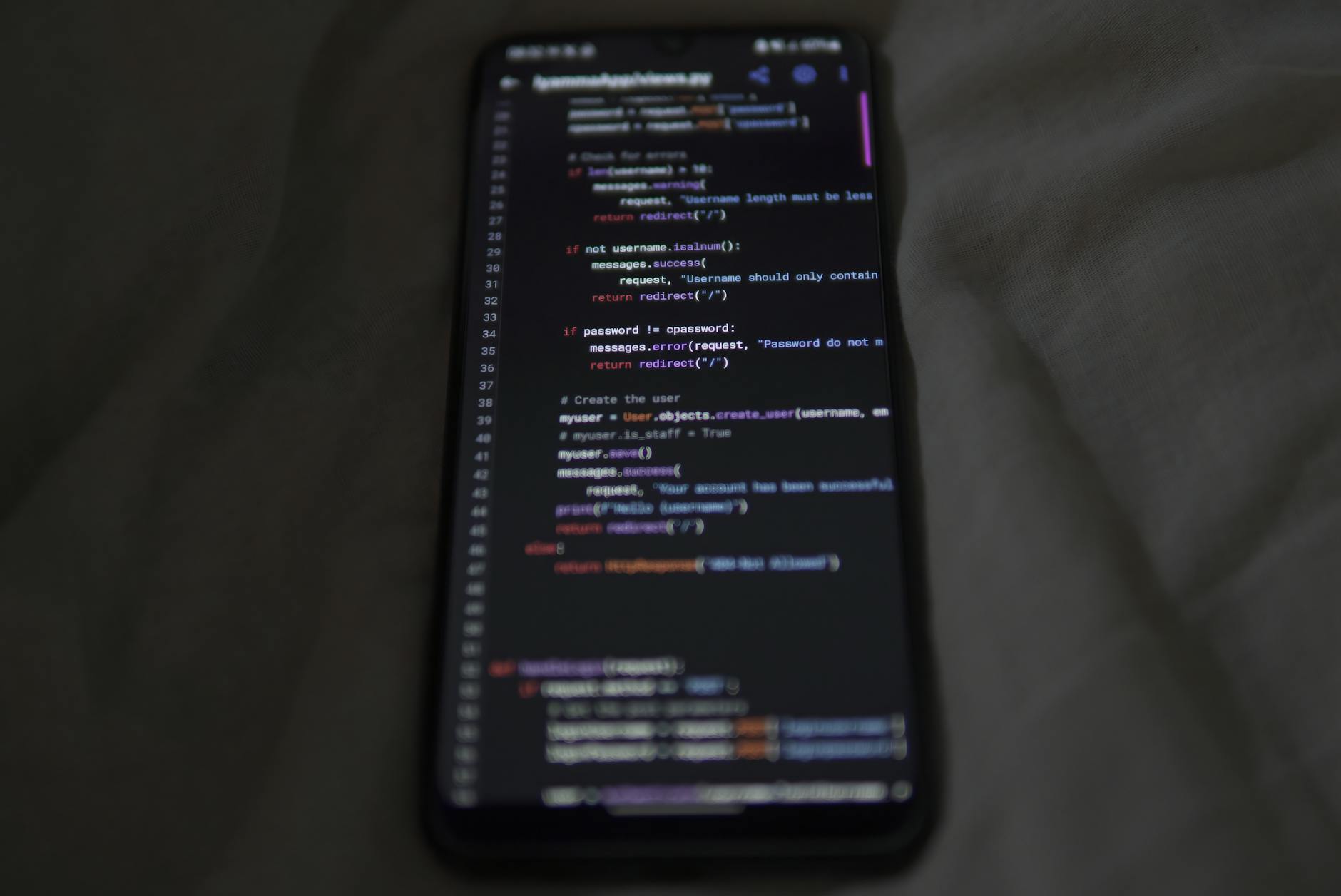
Python has emerged as a leading programming language, thanks to its versatility, simplicity, and the vast number of applications it supports. Whether you're a beginner looking to break into the world of coding or a seasoned developer seeking to expand your skill set, learning Python can significantly enhance your career prospects. With the rise of technologies like machine learning, data science, and artificial intelligence, the demand for Python professionals is skyrocketing. This comprehensive guide will walk you through the process of learning Python, providing you with the best tips, tricks, and resources to get started.
Getting Started with Python
To begin your Python learning journey, it's essential to understand the basics of the language. Python is a high-level, interpreted language that supports object-oriented, procedural, and functional programming paradigms. Its simplicity and readability make it an ideal language for beginners. You can start by installing Python on your computer and setting up a code editor or IDE (Integrated Development Environment). Some popular choices include PyCharm, Visual Studio Code, and Sublime Text.
Once you have your environment set up, you can start exploring the language. You can find numerous resources online, including tutorials, videos, and documentation. For example, you can use ChatGPT to get answers to your Python-related questions or seek guidance on how to use it for tasks like data analysis or web development.
Learning Resources for Python
There are numerous resources available to help you learn Python, including online courses, tutorials, books, and videos. Some popular online courses include Codecademy's Python course, Python for Everybody on Coursera, and Python Data Structures on edX. You can also find a wealth of information on YouTube channels like Corey Schafer's Python Tutorials and Traversy Media's Python Programming Tutorials.
Online Courses and Tutorials
Online courses provide a structured approach to learning Python, covering topics from basic syntax to advanced concepts like web development and machine learning. Many courses offer interactive coding exercises, quizzes, and projects to help you practice and reinforce your learning. Some courses also provide certification upon completion, which can be beneficial for your career.
Books and Documentation
Books are another excellent resource for learning Python, offering in-depth explanations and examples of various concepts. Some popular books include "Python Crash Course" by Eric Matthes, "Automate the Boring Stuff with Python" by Al Sweigart, and "Python for Data Analysis" by Wes McKinney. The official Python documentation is also an invaluable resource, providing detailed information on the language's syntax, libraries, and modules.
Communities and Forums
Joining online communities and forums can connect you with other Python learners and professionals, providing opportunities for discussion, feedback, and support. Some popular communities include the Python subreddit, Python Forum, and Stack Overflow's Python tag. You can ask questions, share your projects, and learn from others in the community.
Practical Tips for Learning Python
To learn Python effectively, it's essential to practice regularly and work on real-world projects. Here are some practical tips to help you get started:
- Start with the basics: Begin by learning the fundamental concepts of Python, including data types, variables, control structures, functions, and modules.
- Practice regularly: Set aside time each day or week to practice coding in Python. You can start with simple exercises and gradually move on to more complex projects.
- Work on projects: Apply your knowledge by working on real-world projects, such as building a web scraper, creating a game, or analyzing data.
- Join online communities: Participate in online communities and forums to connect with other Python learners and professionals, and to get feedback on your projects.
- Learn by doing: Don't be afraid to experiment and try new things. Learning by doing is an effective way to reinforce your knowledge and develop problem-solving skills.
Additionally, you can explore other areas of interest, such as video editing using software like Adobe Premiere Pro or Final Cut Pro, or learning about Facebook ads through a tutorial. You can also delve into the world of cryptocurrency for beginners, which involves understanding blockchain technology and its applications.
Machine Learning and Data Science with Python
Python is an excellent language for machine learning and data science, thanks to its extensive libraries and frameworks. Some popular libraries include NumPy, pandas, and scikit-learn, which provide efficient data structures and algorithms for data analysis and modeling. You can also use machine learning tutorials to learn about supervised and unsupervised learning, neural networks, and deep learning.
To get started with machine learning, you can follow a machine learning tutorial that covers the basics of the field, including data preprocessing, model selection, and evaluation. You can also explore other areas, such as natural language processing, computer vision, and robotics.
Comparison of Python IDEs and Code Editors
Choosing the right IDE or code editor can significantly impact your productivity and coding experience. Here's a comparison of some popular Python IDEs and code editors:
| IDE/Code Editor | Features | Price |
|---|---|---|
| PyCharm | Code completion, debugging, project management | Free (community edition), $199 (professional edition) |
| Visual Studio Code | Code completion, debugging, extensions | Free |
| Sublime Text | Code completion, syntax highlighting, plugins | $80 |
| Atom | Code completion, syntax highlighting, packages | Free |
When choosing an IDE or code editor, consider factors such as your budget, the type of projects you'll be working on, and your personal preferences.
Staying Motivated and Overcoming Challenges
Learning Python can be challenging, especially for beginners. It's essential to stay motivated and overcome obstacles to achieve your goals. Here are some tips to help you stay on track:
- Set realistic goals: Break down your learning process into smaller, achievable goals, and celebrate your progress along the way.
- Find a study buddy: Connect with other Python learners, either online or in-person, to share knowledge, resources, and motivation.
- Take breaks: Don't burn out by coding for hours on end. Take breaks, engage in other activities, and come back to your learning with a fresh mind.
- Seek help when needed: Don't hesitate to ask for help when you're stuck. Reach out to online communities, forums, or mentors for guidance and support.
Remember, learning Python is a journey, and it's essential to be patient, persistent, and kind to yourself throughout the process.
Key Takeaways
In conclusion, learning Python requires dedication, persistence, and the right resources. By following the tips and strategies outlined in this guide, you can set yourself up for success and become proficient in Python. Remember to practice regularly, work on real-world projects, and stay motivated. With the vast number of applications and opportunities available, learning Python can be a rewarding and enriching experience. So, start your Python learning journey today, and discover the many exciting possibilities that this incredible language has to offer. You can also explore other areas of interest, such as how to use ChatGPT for tasks like language translation or text summarization, or learning about best video editing software for your next project. Additionally, you can delve into the world of cryptocurrency for beginners or learn about Facebook ads tutorial to enhance your marketing skills.
Frequently Asked Questions
How do I learn Python programming from scratch?
To learn Python from scratch, start by understanding the basics of programming, such as data types, variables, and control structures. You can find many online resources, including tutorials, videos, and coding exercises, that can help you get started. It's also essential to practice writing Python code regularly to reinforce your learning. Additionally, consider joining online communities or forums to connect with other Python learners and get help with any questions you may have.
What are the best resources to learn Python for beginners?
There are many excellent resources available to learn Python for beginners, including Codecademy, Python.org, and W3Schools. You can also find numerous online courses, tutorials, and YouTube channels dedicated to teaching Python, such as Python for Everybody and Automate the Boring Stuff. Furthermore, books like "Python Crash Course" and "Learning Python" are highly recommended for beginners. These resources provide a comprehensive introduction to Python and can help you build a strong foundation in the language.
How long does it take to learn Python programming language?
The amount of time it takes to learn Python depends on several factors, including your prior programming experience, the amount of time you dedicate to learning, and your learning goals. Generally, it can take around 2-6 months to learn the basics of Python, but becoming proficient in the language can take longer, typically around 1-2 years. With consistent practice and dedication, you can quickly improve your Python skills and become proficient in the language. Additionally, setting specific learning goals and tracking your progress can help you stay motivated and focused.
Is it easy to learn Python if I have no prior programming experience?
Yes, Python is considered an easy language to learn, even for those with no prior programming experience. Python has a simple syntax and is relatively easy to read and write, making it an excellent language for beginners. Additionally, Python has a vast and active community, which means there are many resources available to help you learn, including tutorials, videos, and forums. With patience and practice, you can quickly learn the basics of Python and start building your own projects.
What are the most important Python skills to learn for a career in data science?
To pursue a career in data science with Python, it's essential to learn key skills such as data structures, file input/output, and data analysis libraries like Pandas and NumPy. You should also familiarize yourself with data visualization tools like Matplotlib and Seaborn, as well as machine learning libraries like Scikit-learn. Additionally, learning how to work with databases and perform web scraping can be beneficial for a career in data science. By focusing on these skills, you can build a strong foundation in Python for data science and increase your job prospects.
How can I practice and improve my Python coding skills?
To practice and improve your Python coding skills, start by working on small projects, such as building a calculator or a game, to help you apply your knowledge and gain practical experience. You can also participate in coding challenges and hackathons, which can help you develop problem-solving skills and learn from others. Furthermore, contributing to open-source projects on platforms like GitHub can help you gain exposure to different coding styles and best practices. By consistently practicing and challenging yourself, you can quickly improve your Python coding skills and become a proficient programmer.