
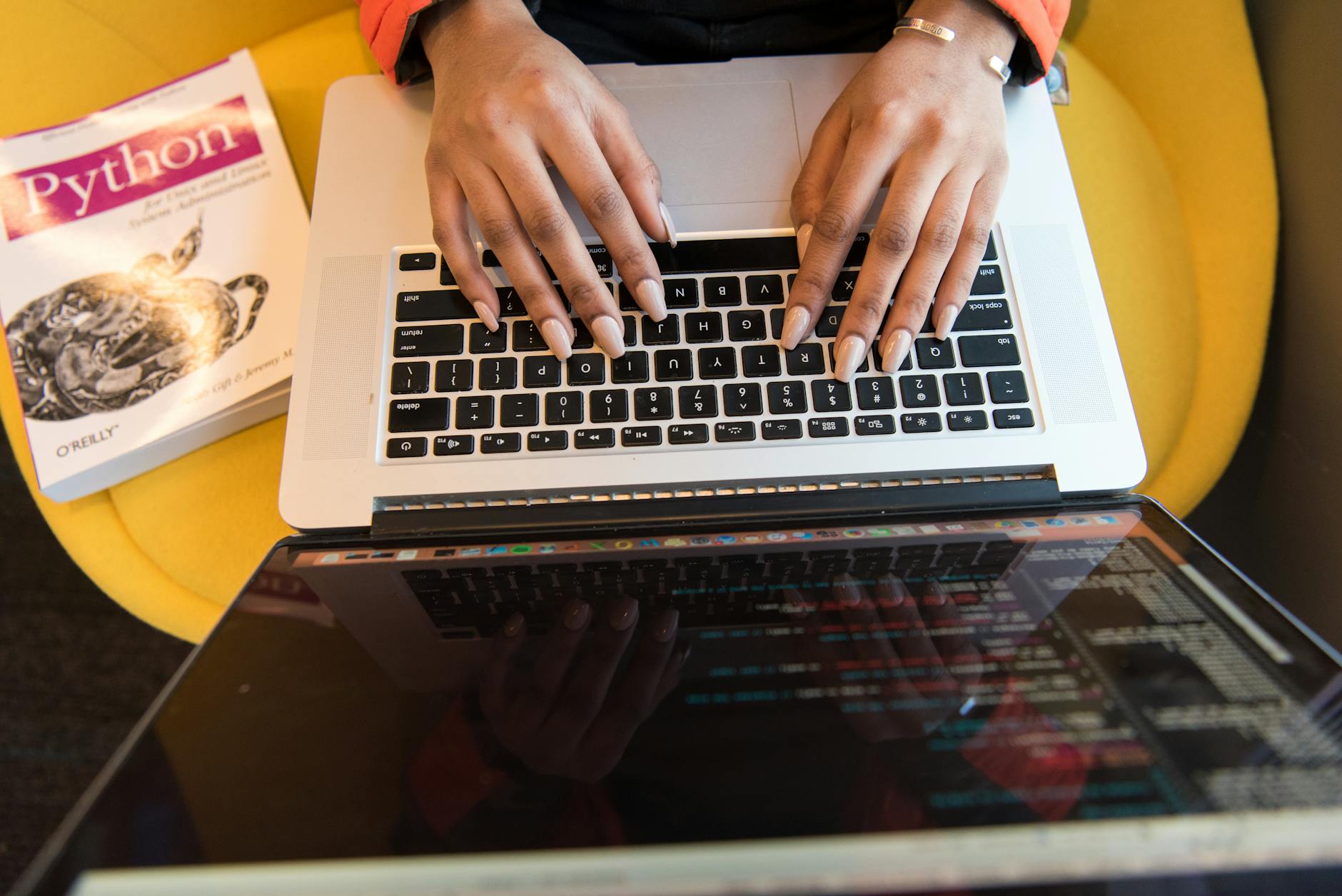
Python is the backbone of many successful applications and technologies, including web development, data analysis, and even the best photo editing apps. Its versatility and simplicity make it an ideal language for beginners and experienced developers alike. However, with so many resources available, it can be daunting to know where to start. This comprehensive guide will walk you through the process of learning Python, from the basics to advanced topics, and provide you with the tools and resources you need to become proficient in this in-demand language.
Getting Started with Python
To begin your Python journey, you'll need to have a basic understanding of programming concepts, such as variables, data types, and control structures. If you're new to programming, don't worry – Python is an excellent language to learn first. Its syntax is easy to read and write, making it an ideal language for beginners. Before you start coding, you'll need to install Python on your computer and choose a text editor or IDE (Integrated Development Environment). Some popular choices include PyCharm, Visual Studio Code, and Sublime Text.
Choosing the Right Resources
With so many resources available, it's essential to choose the right ones for your learning style. Online courses, such as those found on Udemy and Coursera, provide a structured learning environment, while tutorials and guides, like this one, offer a more flexible approach. You can also find many free resources, including Codecademy's Python course, which is an excellent starting point. Additionally, you can explore web development tutorials to learn how to build web applications using Python.
Setting Goals and Tracking Progress
Setting goals and tracking progress is crucial when learning any new skill, including Python. Start by setting specific, achievable goals, such as completing a certain number of exercises or projects within a specified timeframe. You can use the best productivity apps, such as Trello or Todoist, to help you stay organized and focused. Regularly tracking your progress will help you stay motivated and identify areas where you need to improve. You can also use chatgpt tutorial to learn how to build conversational AI models using Python.
Understanding Python Basics
Once you've got the basics of Python installed and have chosen your resources, it's time to dive into the language itself. Python's syntax is simple and easy to read, with a focus on readability. You'll start by learning about variables, data types, and control structures, such as if-else statements and loops. You'll also learn about functions, modules, and exceptions, which are essential building blocks of any Python program.
Practical Applications of Python
Python has many practical applications, including data analysis, machine learning, and web development. You can use Python to build web scrapers, automate tasks, and even create games. For example, you can use Python to build a web scraper to extract data from a website, or use it to automate tasks, such as renaming files or sending emails. You can also use Python to build a cryptocurrency for beginners, such as a simple blockchain or a cryptocurrency trading bot.
Advanced Python Topics
Once you've mastered the basics of Python, you can move on to more advanced topics, such as object-oriented programming, decorators, and generators. You'll also learn about advanced data structures, such as lists, dictionaries, and sets, and how to use them effectively in your programs. Additionally, you'll learn about web development frameworks, such as Django and Flask, and how to use them to build robust and scalable web applications.
Using Python for Web Development
Python is a popular choice for web development, thanks to its simplicity, flexibility, and extensive libraries. You can use Python to build web applications, web services, and even web scrapers. With frameworks like Django and Flask, you can build robust and scalable web applications quickly and easily. You can also use Python to build RESTful APIs, which are essential for building modern web applications.
Using Python for Data Analysis
Python is also a popular choice for data analysis, thanks to its extensive libraries and simplicity. You can use Python to analyze and visualize data, build machine learning models, and even perform statistical analysis. With libraries like Pandas, NumPy, and Matplotlib, you can easily work with data and build complex data analysis pipelines.
Step-by-Step Guide to Learning Python
Here's a step-by-step guide to learning Python:
- Step 1: Install Python on your computer and choose a text editor or IDE.
- Step 2: Learn the basics of Python, including variables, data types, and control structures.
- Step 3: Practice, practice, practice by completing exercises and projects.
- Step 4: Learn advanced topics, such as object-oriented programming and web development.
- Step 5: Build projects that integrate your new skills, such as web applications or data analysis pipelines.
Comparison of Python Resources
Here's a comparison of some popular Python resources:
| Resource | Cost | Level | Format |
|---|---|---|---|
| Codecademy's Python Course | Free | Beginner | Interactive |
| Udemy's Python Course | Paid | Beginner-Advanced | Video |
| Python Crash Course | Paid | Beginner-Advanced | Book |
Conclusion and Next Steps
Learning Python is a rewarding and challenging experience that can open up many doors in the world of technology. With the right resources and a bit of dedication, you can become proficient in Python and start building your own projects. Remember to set goals, track your progress, and practice regularly to get the most out of your learning experience. You can also explore other topics, such as cryptocurrency for beginners, to learn how to build blockchain-based applications using Python.
Key Takeaways
Here are the key takeaways from this guide:
- Start with the basics: Learn the fundamentals of Python, including variables, data types, and control structures.
- Choose the right resources: Select resources that fit your learning style, such as online courses, tutorials, or books.
- Practice regularly: Complete exercises and projects to reinforce your learning and build practical skills.
- Set goals and track progress: Set specific, achievable goals and track your progress to stay motivated and focused.
- Explore advanced topics: Once you've mastered the basics, move on to more advanced topics, such as object-oriented programming and web development.
By following these steps and staying committed to your learning, you can become proficient in Python and start building your own projects. Remember to always keep learning and stay up-to-date with the latest developments in the world of Python. With persistence and dedication, you can master Python and unlock a world of possibilities in the world of technology.
Frequently Asked Questions
How long does it take to learn Python programming?
The time it takes to learn Python programming depends on your dedication, consistency, and learning style. With regular practice, you can gain a basic understanding of Python in a few weeks, while becoming proficient can take several months to a year. It's essential to set realistic goals and practice regularly to achieve fluency in Python. Additionally, focusing on practical applications and projects can help you learn faster.
What are the best resources to learn Python for beginners?
There are numerous resources available to learn Python for beginners, including online courses, tutorials, and books. Some popular resources include Codecademy, Python Crash Course, and Automate the Boring Stuff with Python. These resources provide a comprehensive introduction to Python programming, covering the basics, data structures, file input/output, and more. You can also join online communities, such as Reddit's r/learnpython, to connect with other learners and get help with any questions you may have.
Do I need to know other programming languages to learn Python?
No, you don't need to know other programming languages to learn Python. Python is a great language for beginners, and its syntax is designed to be easy to read and understand. However, having experience with other programming languages can be beneficial, as you'll be able to appreciate the differences and similarities between languages. If you're new to programming, it's best to start with the basics of Python and build your way up, rather than trying to learn multiple languages at once.
How can I practice Python coding and improve my skills?
To practice Python coding and improve your skills, you can work on projects, participate in coding challenges, and contribute to open-source projects. Websites like LeetCode, HackerRank, and Project Euler provide a wide range of coding challenges and exercises to help you practice and improve your coding skills. You can also try building real-world projects, such as command-line tools, games, or web scrapers, to apply your knowledge and gain practical experience.
What are the most in-demand Python skills for job seekers?
The most in-demand Python skills for job seekers include data science, machine learning, web development, and automation. Employers are looking for candidates who can work with popular libraries and frameworks, such as NumPy, pandas, and Django. Additionally, knowledge of data visualization tools, such as Matplotlib and Seaborn, and experience with cloud platforms, such as AWS or Google Cloud, can be beneficial. Having a strong foundation in Python programming and being able to apply your skills to real-world problems is essential for success in the job market.
Can I learn Python online for free, or do I need to pay for courses or tutorials?
Yes, you can learn Python online for free, as there are many resources available that don't require payment. Websites like Codecademy, Coursera, and edX offer free courses and tutorials on Python programming. You can also find numerous YouTube channels, blogs, and online communities dedicated to teaching Python. However, some advanced courses or specialized tutorials may require a fee, and investing in a paid course can provide additional support and resources to help you learn faster and more effectively.