
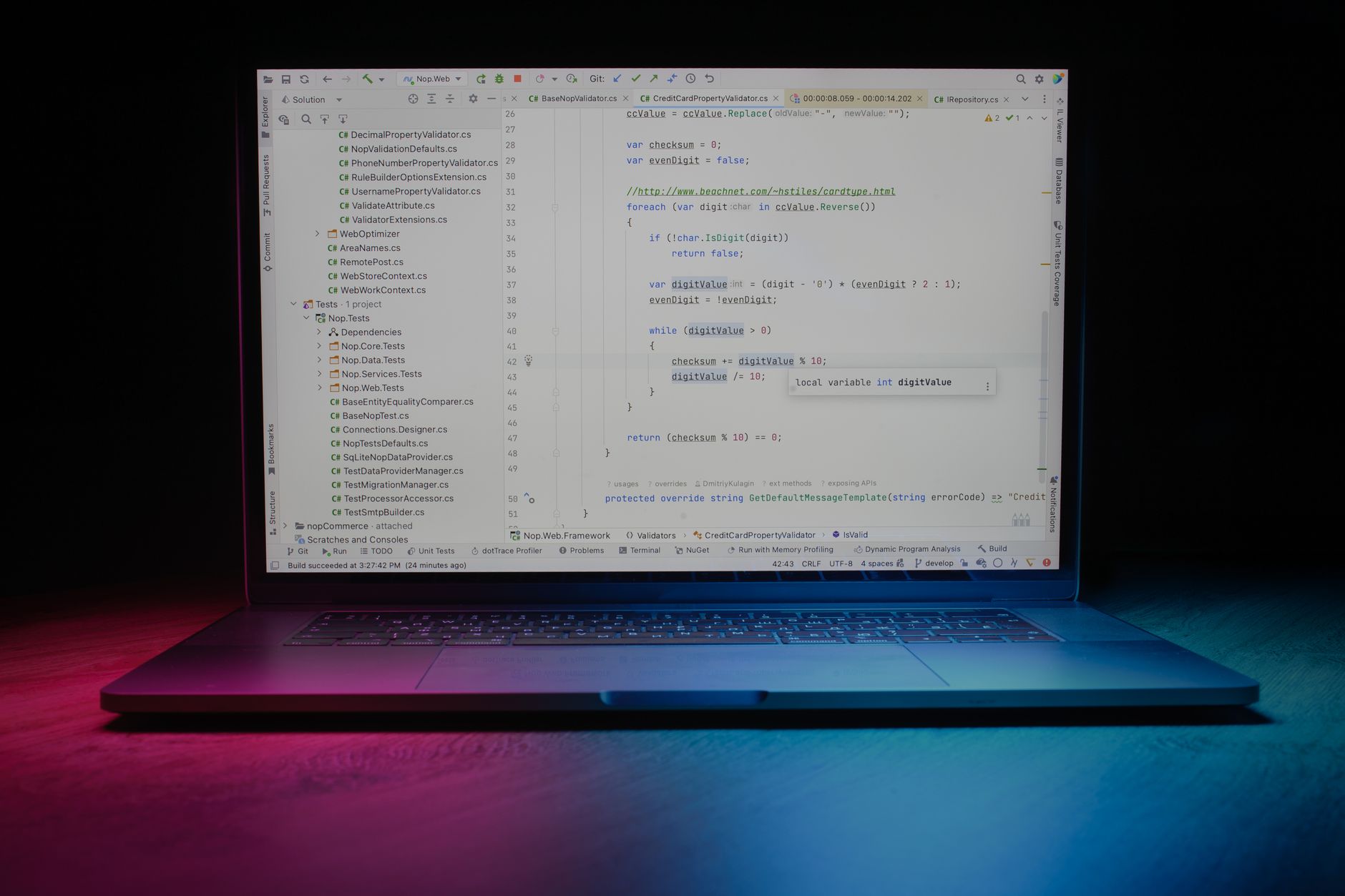
Web development has become an essential skill in the digital age, with the demand for skilled web developers continuing to rise. Whether you're a beginner looking to start a new career or an experienced developer seeking to improve your skills, a comprehensive web development tutorial is the perfect place to start. In this tutorial, we'll take you through the basics of web development, from the fundamentals of HTML and CSS to the more advanced concepts of JavaScript and Node.js.
Introduction to Web Development
Web development involves building and maintaining websites, web applications, and mobile applications. It's a complex process that requires a range of skills, including programming, design, and testing. As a web developer, you'll be responsible for creating websites that are not only visually appealing but also functional and user-friendly. To get started, you'll need to learn the basics of HTML, CSS, and JavaScript, as well as other programming languages such as Node.js. If you're interested in learning more about Node.js, be sure to check out our Node.js tutorial for a comprehensive guide.
Setting Up Your Development Environment
Before you start building your first website, you'll need to set up your development environment. This includes installing a code editor, such as Visual Studio Code or Sublime Text, and a version control system, such as Git. You'll also need to choose a web hosting service, such as Google Workspace, to host your website. For a step-by-step guide on how to set up Google Workspace, check out our Google Workspace tutorial. Additionally, consider investing in a best VPN service to ensure your online security and protect your website from cyber threats.
Front-End Development
Front-end development involves building the client-side of a website, using programming languages such as HTML, CSS, and JavaScript. HTML is used to create the structure and content of a website, while CSS is used to control the layout and visual styling. JavaScript is used to add interactivity to a website, such as animations and dynamic effects. To learn more about front-end development, be sure to check out our web development tutorial for a comprehensive guide.
HTML and CSS Basics
HTML and CSS are the building blocks of front-end development. HTML is used to create the structure and content of a website, while CSS is used to control the layout and visual styling. To get started with HTML and CSS, you'll need to learn the basic syntax and elements, such as headings, paragraphs, and links. You'll also need to learn how to use CSS selectors and properties to style your website.
JavaScript and DOM Manipulation
JavaScript is a powerful programming language that's used to add interactivity to a website. It's used to create dynamic effects, such as animations and transitions, as well as to manipulate the Document Object Model (DOM) of a website. To get started with JavaScript, you'll need to learn the basic syntax and data types, such as variables, arrays, and objects. You'll also need to learn how to use JavaScript libraries and frameworks, such as React and Angular.
Responsive Web Design
Responsive web design is an essential concept in front-end development. It involves building websites that are optimized for different devices and screen sizes, such as desktops, tablets, and smartphones. To create a responsive website, you'll need to use CSS media queries and flexible grids to ensure that your website adapts to different screen sizes and devices.
Back-End Development
Back-end development involves building the server-side of a website, using programming languages such as Node.js, Ruby, and PHP. Node.js is a popular choice for back-end development, thanks to its fast and scalable performance. To learn more about Node.js, be sure to check out our Node.js tutorial for a comprehensive guide. Back-end development involves creating server-side logic, interacting with databases, and handling requests and responses.
Blockchain Development
Blockchain development is a rapidly growing field that involves building decentralized applications (dApps) using blockchain technology. Blockchain is a distributed ledger technology that allows for secure and transparent data storage and transfer. To learn more about blockchain development, be sure to check out our blockchain tutorial for a comprehensive guide. Blockchain development involves creating smart contracts, building decentralized applications, and integrating with blockchain networks.
Practical Tips and Step-by-Step Guide
Now that you've learned the basics of web development, it's time to put your skills into practice. Here's a step-by-step guide to building a simple website:
- Choose a code editor and install the necessary extensions and plugins
- Set up a version control system, such as Git, to manage your code
- Choose a web hosting service, such as Google Workspace, to host your website
- Design and build the front-end of your website using HTML, CSS, and JavaScript
- Build the back-end of your website using Node.js or another programming language
- Test and deploy your website to a production environment
Additionally, if you're interested in learning how to make money online, consider building a website or application that solves a real-world problem or meets a specific need. With the right skills and knowledge, you can create a successful online business and start earning money online.
Comparison of Web Development Frameworks
There are many web development frameworks available, each with its own strengths and weaknesses. Here's a comparison table of some popular frameworks:
| Framework | Language | Pros | Cons |
|---|---|---|---|
| React | JavaScript | Fast and scalable, easy to learn | Steep learning curve for advanced features |
| Angular | JavaScript | Powerful and feature-rich, large community | Complex and difficult to learn |
| Vue.js | JavaScript | Easy to learn, flexible and customizable | Smaller community compared to React and Angular |
Key Takeaways
In conclusion, web development is a complex and multifaceted field that requires a range of skills and knowledge. By following this web development tutorial, you'll be well on your way to becoming a skilled web developer. Remember to always keep learning and practicing, and don't be afraid to try new things and experiment with different technologies. With the right skills and knowledge, you can create successful and profitable websites and applications, and even learn how to make money online. Additionally, consider exploring related fields, such as blockchain tutorial or Google Workspace tutorial, to further expand your skillset and stay up-to-date with the latest technologies.
Frequently Asked Questions
What is the best way to learn web development for beginners?
The best way to learn web development for beginners is to start with the basics of HTML, CSS, and JavaScript. Online tutorials and coding boot camps can provide a comprehensive introduction to web development. Additionally, practicing with real-world projects and building personal websites can help reinforce new skills.
How long does it take to become a proficient web developer?
The time it takes to become a proficient web developer varies depending on the individual's dedication and learning pace. With consistent practice and a well-structured learning plan, it's possible to gain proficiency in web development within 6-12 months. However, becoming an expert in web development can take several years of continuous learning and professional experience.
What are the most in-demand programming languages for web development?
The most in-demand programming languages for web development include JavaScript, HTML/CSS, Python, and PHP. JavaScript is particularly popular for client-side scripting, while Python and PHP are often used for server-side development. Familiarity with these languages can significantly enhance job prospects and career opportunities in web development.
Do I need a degree in computer science to become a web developer?
No, a degree in computer science is not necessarily required to become a web developer. Many successful web developers are self-taught and have learned through online courses, tutorials, and personal projects. However, having a degree in computer science or a related field can provide a solid foundation and enhance career prospects in the industry.
What are the essential tools and software for web development?
The essential tools and software for web development include a code editor or IDE, a version control system like Git, and a web browser for testing. Additionally, familiarity with front-end frameworks like React or Angular, and back-end frameworks like Node.js or Ruby on Rails, can be beneficial for building complex web applications.
How do I stay up-to-date with the latest web development trends and technologies?
To stay up-to-date with the latest web development trends and technologies, it's essential to follow industry leaders and blogs, attend conferences and meetups, and participate in online communities like GitHub or Stack Overflow. Additionally, taking online courses or attending workshops can help developers expand their skill set and stay current with the latest developments in the field.