
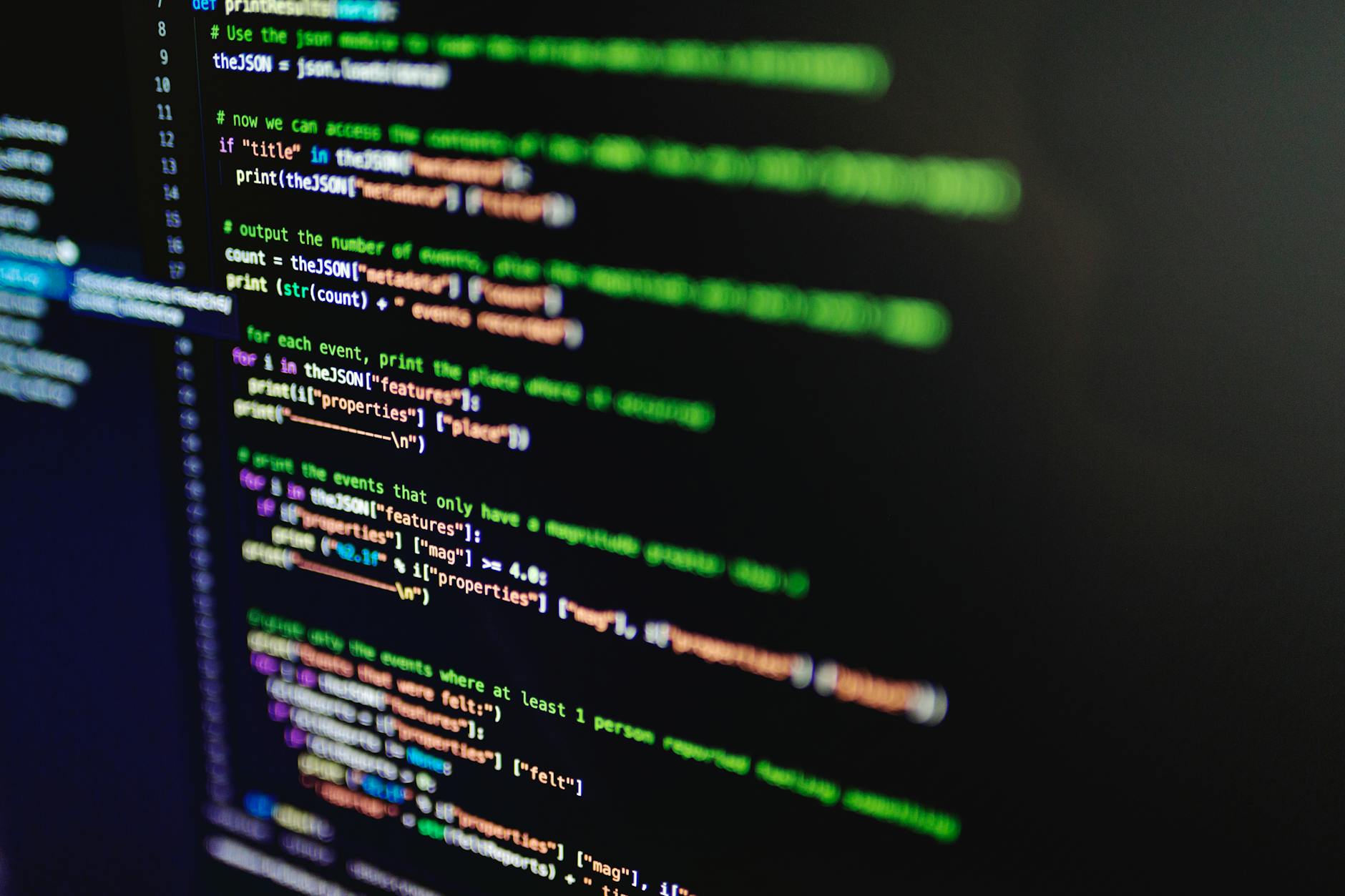
Python is one of the most versatile and widely-used programming languages, and learning it can open doors to a plethora of career opportunities. Whether you're a beginner or an experienced programmer, Python is a skill that can take your career to the next level. With the rise of affiliate marketing for beginners and the increasing demand for skilled programmers, learning Python is a smart move. In this tutorial, we'll take you through the basics of Python and provide you with the skills you need to get started.
Getting Started with Python
To start learning Python, you don't need any prior programming experience. Python is a high-level language that is easy to read and write, making it the perfect language for beginners. You can start by installing Python on your computer and setting up a code editor or IDE. There are many online resources available to help you get started, including tutorials, videos, and online courses. If you're looking for a structured learning experience, you can check out online courses on platforms like Coursera or Udemy. When it comes to Coursera vs Udemy, both platforms have their own strengths and weaknesses, but ultimately, the choice depends on your personal learning style and preferences.
Basic Syntax and Data Types
Python's syntax is simple and easy to learn. It uses indentation to define code blocks, making it easy to read and write. Python has several built-in data types, including integers, floats, strings, and lists. Understanding these data types is crucial to writing effective Python code. You can learn more about Python's syntax and data types through online tutorials or by taking an online course. Additionally, learning Python can also help you with other skills like how to start a blog or how to create a website, as many web development frameworks, such as Django and Flask, are built on top of Python.
Variables and Operators
In Python, you can assign a value to a variable using the assignment operator (=). Python also has several built-in operators, including arithmetic operators (+, -, \*, /), comparison operators (==, !=, >, <), and logical operators (and, or, not). Understanding how to use these operators is essential to writing effective Python code. You can practice using these operators by working on small projects or exercises.
Control Structures
Control structures are used to control the flow of your program. Python has several built-in control structures, including if-else statements, for loops, and while loops. Understanding how to use these control structures is crucial to writing effective Python code. You can learn more about control structures by checking out online tutorials or taking an online course.
Functions
Functions are reusable blocks of code that can take arguments and return values. In Python, you can define a function using the def keyword. Functions are useful for organizing your code and making it more reusable. You can learn more about functions by checking out online tutorials or taking an online course. Learning about functions can also help you with other skills like React JS tutorial, as many front-end frameworks use functions to manage state and props.
Practical Tips and Step-by-Step Guide
To learn Python effectively, it's essential to practice regularly. Here are some practical tips to help you get started:
- Start with the basics: Begin with basic syntax and data types, and gradually move on to more advanced topics.
- Practice regularly: Practice is key to learning any programming language. Try to practice for at least 30 minutes every day.
- Work on projects: Working on projects is a great way to apply your skills and learn by doing. Start with small projects and gradually move on to more complex ones.
- Join online communities: Joining online communities, such as Reddit's r/learnpython, can be a great way to connect with other learners and get help when you need it.
Comparison of Online Courses
There are many online courses available to help you learn Python. Here's a comparison of some popular online courses:
| Course | Platform | Price | Duration |
|---|---|---|---|
| Python for Everybody | Coursera | $49 | 5 weeks |
| Python Bootcamp | Udemy | $10.99 | 12 hours |
| Python Data Structures | edX | $50 | 4 weeks |
Real-World Applications of Python
Python has many real-world applications, including web development, data science, machine learning, and automation. With the rise of affiliate marketing for beginners, Python can be used to automate tasks, such as data scraping and email marketing. Additionally, Python can be used to build web applications, such as blogs and websites, using frameworks like Django and Flask. Learning Python can also help you with other skills like how to start a blog or how to create a website.
Conclusion and Next Steps
In conclusion, learning Python is a valuable skill that can open doors to many career opportunities. With the right resources and practice, you can become proficient in Python and start applying your skills to real-world projects. Remember to practice regularly, work on projects, and join online communities to connect with other learners. Additionally, consider learning other skills like React JS tutorial to complement your Python skills.
Key Takeaways
Here are the key takeaways from this tutorial:
- Python is a versatile and widely-used programming language that can open doors to many career opportunities.
- Learning Python requires practice, patience, and dedication.
- There are many online resources available to help you learn Python, including tutorials, videos, and online courses.
- Python has many real-world applications, including web development, data science, machine learning, and automation.
- Learning Python can complement other skills, such as affiliate marketing for beginners, how to start a blog, and React JS tutorial.
By following this tutorial and practicing regularly, you can become proficient in Python and start applying your skills to real-world projects. Remember to stay motivated, and don't be afraid to ask for help when you need it. Good luck with your Python journey!
Frequently Asked Questions
What is the best way to learn Python programming?
The best way to learn Python programming is by practicing with hands-on exercises and projects. You can start with basic tutorials and then move on to more advanced topics. Online resources such as code repositories, forums, and tutorials can also be helpful. Consistency and patience are key to becoming proficient in Python.
How long does it take to learn Python for beginners?
The time it takes to learn Python for beginners depends on the individual's dedication and learning pace. With consistent practice, you can learn the basics of Python in a few weeks to a few months. However, to become proficient in Python, it may take several months to a year or more, depending on the depth of knowledge you want to acquire.
What are the basic requirements to start learning Python?
To start learning Python, you need a computer with a Python interpreter installed, a text editor or IDE, and a basic understanding of programming concepts. You can download the latest version of Python from the official Python website and install a text editor or IDE such as PyCharm, Visual Studio Code, or Sublime Text. Additionally, you can start with online resources such as tutorials, videos, and blogs.
Is Python easy to learn for non-programmers?
Yes, Python is considered an easy language to learn, even for non-programmers. Python has a simple syntax and is relatively easy to read and write. It also has a large community of developers who contribute to its ecosystem, making it easy to find resources and support when you need it. With dedication and practice, anyone can learn Python, regardless of their programming background.
What are the most common applications of Python programming?
Python is a versatile language with a wide range of applications, including web development, data analysis, machine learning, automation, and scientific computing. It is also used in various industries such as finance, healthcare, and education. Python's simplicity and flexibility make it an ideal language for beginners and experienced developers alike.
Are there any free resources available to learn Python online?
Yes, there are many free resources available to learn Python online, including tutorials, videos, blogs, and online courses. Some popular resources include Codecademy, Coursera, edX, and YouTube channels such as Corey Schafer's Python Tutorials and Traversy Media. Additionally, you can find many free Python books and eBooks online, as well as open-source code repositories on GitHub and other platforms.