
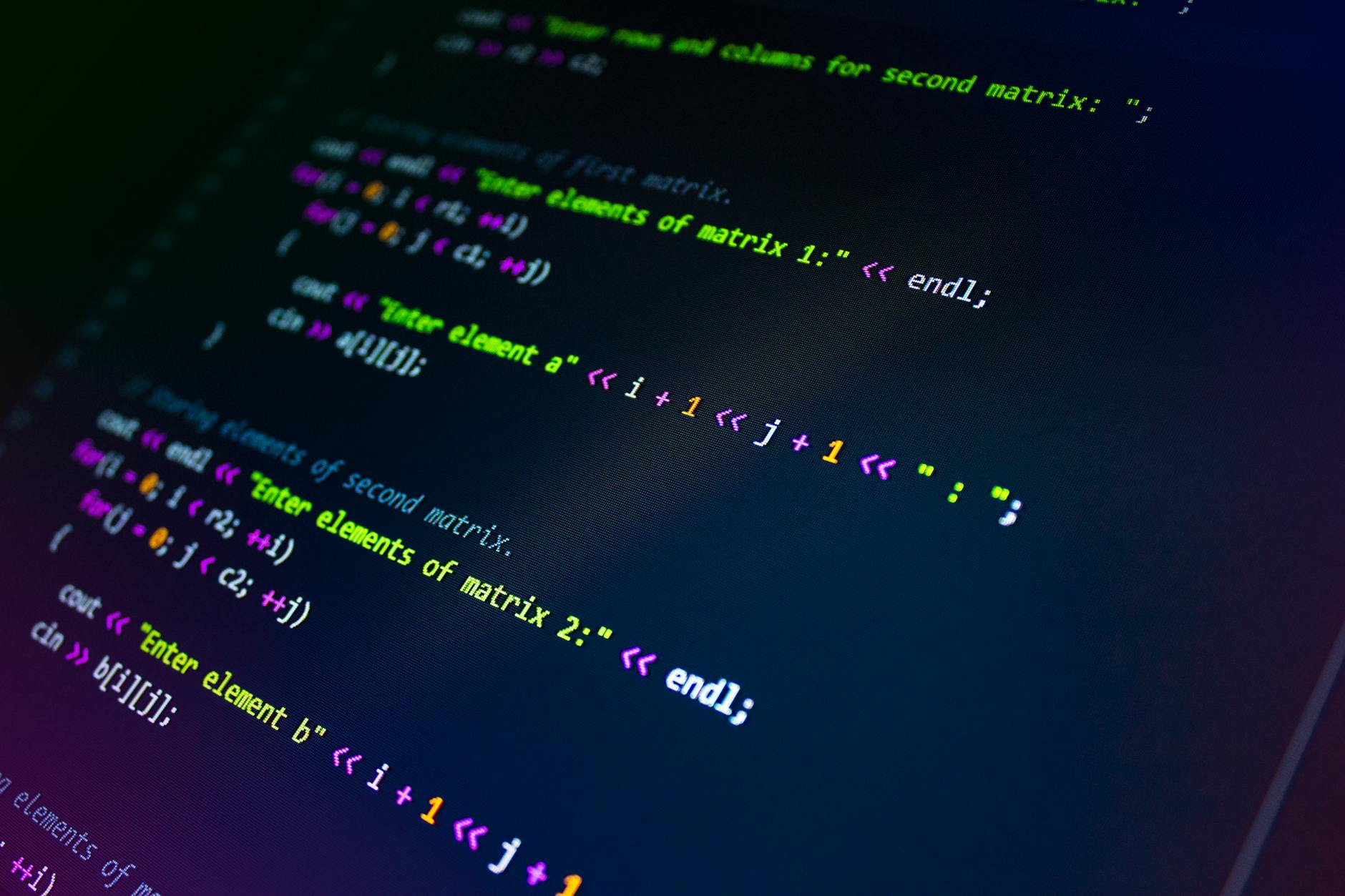
Python is one of the most versatile and widely-used programming languages, and for good reason. Its simplicity, readability, and large community of developers make it an ideal language for beginners and experts alike. Whether you're interested in web development, data analysis, or artificial intelligence, learning Python can open doors to new opportunities and career paths. In this comprehensive guide, we'll show you how to learn Python fast and effectively, with a focus on practical skills and real-world applications.
Why Learn Python?
Before we dive into the nitty-gritty of learning Python, let's take a look at why it's such a valuable skill to have. Python is used in a wide range of fields, from web development and data analysis to machine learning and artificial intelligence. It's also a great language for beginners, with a simple syntax and a vast array of resources available online. With Python, you can build everything from simple scripts and games to complex web applications and AI models. If you're interested in affiliate marketing for beginners, Python can also be a valuable tool for automating tasks and analyzing data.
Getting Started with Python
To get started with Python, you'll need to install the language on your computer and choose a text editor or IDE (Integrated Development Environment). There are many great resources available online, including tutorials, videos, and coding challenges. One popular resource is the Midjourney tutorial, which provides a comprehensive introduction to Python and its applications. You can also try out online platforms like Codecademy or DataCamp, which offer interactive coding lessons and exercises.
Choosing the Right Resources
With so many resources available, it can be overwhelming to know where to start. Here are a few tips for choosing the right resources for your needs:
- Look for resources that are interactive and hands-on, such as coding challenges and exercises.
- Choose resources that are specifically tailored to your goals and interests, such as web development or data analysis.
- Consider joining online communities or forums, where you can connect with other developers and get help with any questions or problems you encounter.
Practical Tips for Learning Python
Learning Python requires practice, patience, and persistence. Here are a few practical tips to help you get started:
Building Projects and Applications
One of the best ways to learn Python is by building real-world projects and applications. This could be anything from a simple calculator or game to a complex web application or AI model. By working on practical projects, you'll gain hands-on experience with the language and develop a deeper understanding of its syntax and applications.
Using AI Tools and Resources
There are many great AI tools and resources available for learning Python, including best AI tools 2025 and ai tools for students. These tools can help you automate tasks, analyze data, and build complex models and applications. Some popular AI tools for Python include TensorFlow, Keras, and scikit-learn.
Here is a comparison of some popular AI tools for Python:
| Tool | Description | Difficulty Level |
|---|---|---|
| TensorFlow | A popular open-source machine learning library | Advanced |
| Keras | A high-level neural networks API | Intermediate |
| scikit-learn | A machine learning library for Python | Beginner |
Web Development with Python
Python is a popular language for web development, thanks to its simplicity, flexibility, and scalability. With frameworks like Django and Flask, you can build fast, secure, and efficient web applications. If you're interested in web development tutorial, Python is a great language to learn. Here's a step-by-step guide to getting started with web development in Python:
- Install a web framework like Django or Flask
- Choose a database like MySQL or PostgreSQL
- Build a simple web application using templates and routes
- Deploy your application to a cloud platform like AWS or Google Cloud
Advanced Topics in Python
Once you have a solid grasp of the basics, you can move on to more advanced topics in Python. This could include machine learning, data science, and natural language processing. With libraries like NLTK and spaCy, you can build complex models and applications that analyze and generate human language. You can also explore best ai tools 2025 and ai tools for students to learn more about the latest advancements in AI and machine learning.
Conclusion and Next Steps
Learning Python is a rewarding and challenging journey, but with the right resources and mindset, you can achieve your goals and become a proficient developer. Remember to practice regularly, build real-world projects, and stay up-to-date with the latest developments in the field. With persistence and dedication, you can master Python and unlock new opportunities in web development, data analysis, and artificial intelligence.
Key Takeaways
Here are the key takeaways from this comprehensive guide to learning Python:
- Python is a versatile and widely-used language with many applications in web development, data analysis, and artificial intelligence.
- To get started with Python, you'll need to install the language, choose a text editor or IDE, and find the right resources and tutorials.
- Building real-world projects and applications is one of the best ways to learn Python and develop practical skills.
- There are many great AI tools and resources available for learning Python, including best AI tools 2025 and ai tools for students.
- With persistence and dedication, you can master Python and unlock new opportunities in web development, data analysis, and artificial intelligence.
By following these tips and guidelines, you can learn Python fast and effectively, and start building the skills and knowledge you need to succeed in this exciting and rapidly-evolving field. Whether you're interested in affiliate marketing for beginners or advanced topics in machine learning, Python is a language that can help you achieve your goals and realize your full potential.
Frequently Asked Questions
How long does it take to learn Python programming?
The time it takes to learn Python depends on your dedication, prior experience, and learning pace. With consistent effort, you can learn the basics of Python in a few weeks to a few months. However, becoming proficient in Python and its various applications can take several months to a year or more. It's essential to set realistic goals and practice regularly to achieve proficiency in Python.
What is the best way to learn Python for beginners?
The best way to learn Python for beginners is to start with the basics, such as data types, variables, and control structures. Online resources like Codecademy, DataCamp, and Python.org are excellent for beginners. You can also take online courses or attend workshops to learn from experienced instructors. Additionally, practicing with real-world projects and joining online communities can help you stay motivated and learn from others.
Is it hard to learn Python if I have no prior programming experience?
While prior programming experience can be helpful, it's not necessary to learn Python. Python is a high-level language with a simple syntax, making it an excellent language for beginners. With the right resources and a willingness to learn, you can quickly grasp the basics of Python. Many online resources and tutorials are designed specifically for beginners with no prior programming experience, so you can start learning Python from scratch.
How do I learn Python quickly and effectively?
To learn Python quickly and effectively, set specific goals, and create a study schedule. Focus on building projects, such as command-line tools, games, or web applications, to apply your knowledge and stay motivated. Practice regularly, and review concepts you've learned to reinforce your understanding. You can also join online communities, such as Reddit's r/learnpython, to connect with other learners and get help when you're stuck.
What are the best resources to learn Python for free?
There are many free resources available to learn Python, including online tutorials, videos, and coding challenges. Some popular resources include Codecademy's Python course, Python.org, and W3Schools' Python tutorial. You can also find many free Python books, such as "Python Crash Course" and "Automate the Boring Stuff with Python," online. Additionally, YouTube channels like Corey Schafer's Python Tutorials and Traversy Media's Python programming tutorials are excellent resources for learning Python.
Can I learn Python on my own, or do I need a teacher or tutor?
You can learn Python on your own with the right resources and dedication. Many online resources, such as tutorials, videos, and coding challenges, are designed for self-study. However, having a teacher or tutor can provide additional support and guidance, especially if you're new to programming. If you prefer a more structured learning environment, consider taking online courses or attending workshops. Ultimately, whether you learn Python on your own or with a teacher, the key to success is consistent practice and a willingness to learn.